.png)
The Magic of Environment: How This Palo Alto School Helps Children Blossom and Find Their Grit
- Living Wisdom
- Dec 18, 2025
- 3 min read
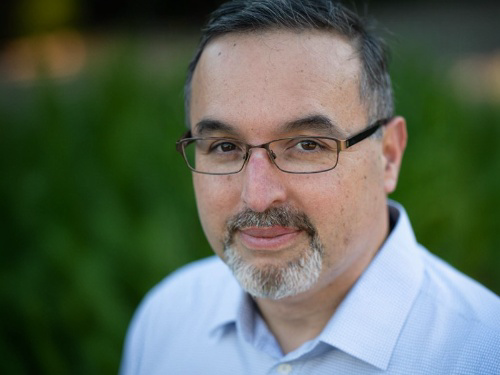
In the high-pressure landscape of Silicon Valley education, parents often feel forced to choose between academic rigor and emotional well-being. But for Jay Schulz-Heik, a child psychologist at Stanford, the two aren't just compatible—they are dependent on one another.

After an extensive search for the right fit for his son, Jay landed on Living Wisdom School in Palo Alto. While the school is famously rooted in the Education for Life philosophy, Jay’s perspective as a clinician and a father offers a unique look at why this environment works so effectively.
Here is why a child psychologist chose a school built on warmth, character, and the science of emotional regulation.
Searching for Warmth in a Post-Pandemic World
For many families, the pandemic served as a catalyst for re-evaluating their children's needs. Jay noticed that his son thrived in intimate environments where deep bonds were the foundation of learning.
"It became clear that he just thrived in small, intimate, warm environments where he can form bonds with the teachers and children of various ages," Jay explains. "He needed a little warmth, because that’s what he thrives in."
When they found Living Wisdom School, the "vibes" weren't just a marketing point—they were a tangible sense of personal connection.
"I was confident my son would have a relationship with the teacher, would receive the guidance and the direction when he needed it, the support when he needed it, the inspiration when he needed it."
Practical Tools: Yoga and Meditation
As a psychologist, Jay is acutely aware of the link between a child's internal state and their ability to learn. While the school maintains academic rigor, Jay notes that the "magic" lies in the environment that precedes the textbooks.
Living Wisdom School integrates yoga, brief meditations, and nature walks into the daily rhythm. While some might see these as "extras," Jay sees them as essential tools for academic readiness.
"He’s never been especially interested in yoga or meditation," Jay admits. "But my sense is that’s a big part of what helps him and everyone in his environment be so calm, focused, and regulated. He comes home calm and happy to share about his day because he wasn’t stressed—he was engaged."
From "Getting By" to Blossoming
One of the most profound shifts Jay observed was his son’s transition from a student who did "just enough to get by" to one who truly blossomed. By engaging in theater, music, art, and creative writing, his son found a sense of joy that spilled over into more challenging subjects.
"It's been beautiful to see my son kind of come alive and blossom... finding his grit to persevere in math and some of the other classes that require a bit of perseverance."
This development of grit—the ability to hang in there when things are hard—is a core tenet of the Education for Life philosophy. It teaches children that while challenges are inevitable, they have the internal resources to handle them.
The "Monday Morning" Test
Perhaps the most telling sign of a school's success is how a child feels when the weekend ends. Jay recalls a conversation with a teacher who noted that many students at Living Wisdom actually prefer their weekdays to their weekends.
"He doesn't seem to dread Mondays," Jay says. "He seems to be excited for them and just gets in the car and we go."
For a child psychologist, this is the ultimate indicator of a healthy environment: a child who moves toward their education with confidence and trust rather than anxiety.
Preparation for Life, Not Just Exams
When asked what his son will take with him into the future, Jay doesn't point to a specific test score or a grade. Instead, he points to self-trust.
"I think my son has learned that he does have a lot to offer," Jay concludes. "He’s learned that it’s okay if things are hard. It’s no one else’s job to make them easy for you. But if you hang in there and persevere, you can accomplish things. And it feels good when you do."
Final Advice for Parents
For parents on the fence, Jay’s professional and personal advice is simple: Trust the vibes.
"Trust the marketing, trust the vibes. It’s all real. They really have created a tremendously positive, loving, warm, secure environment where kids can blossom."

Comments